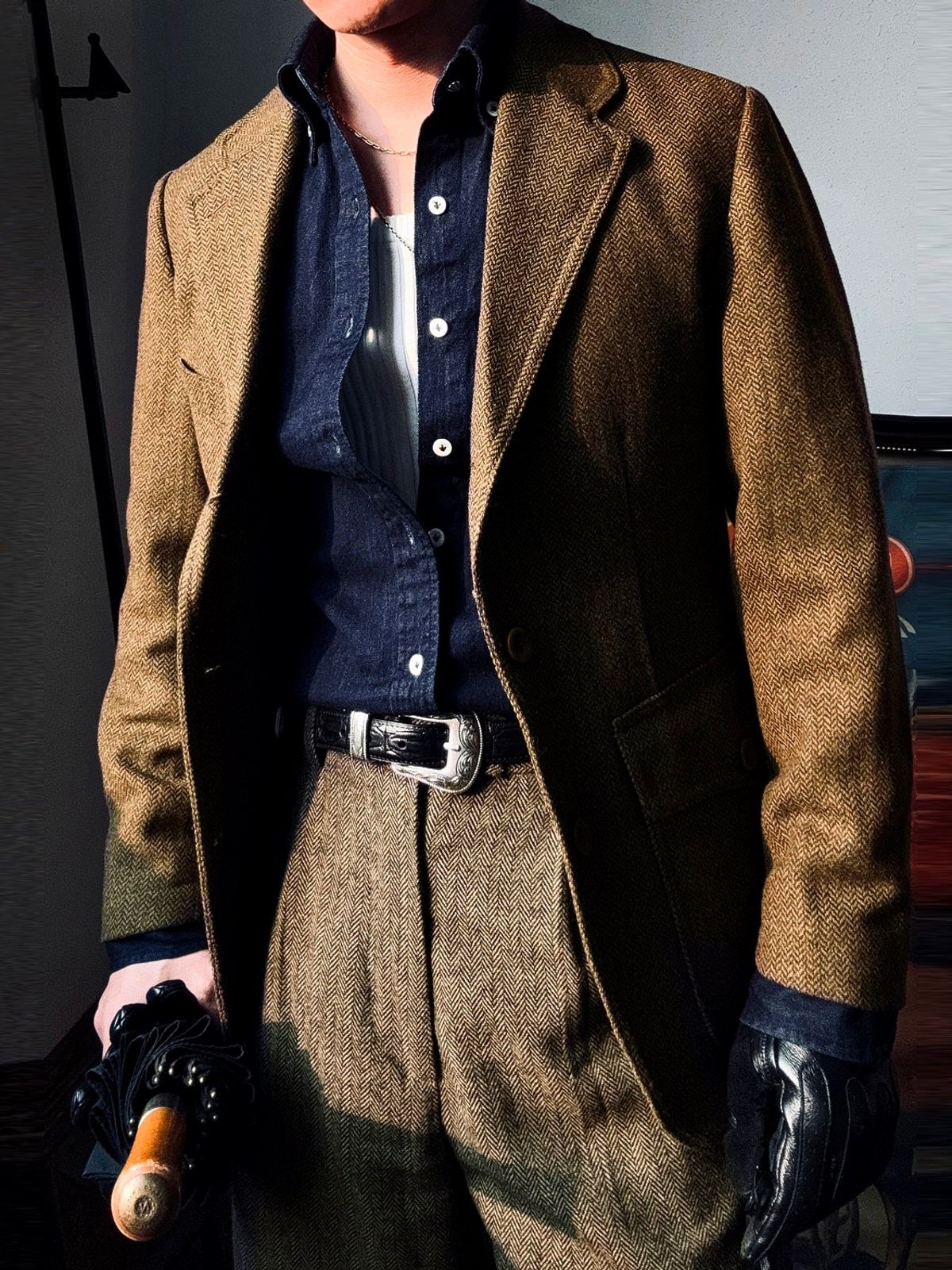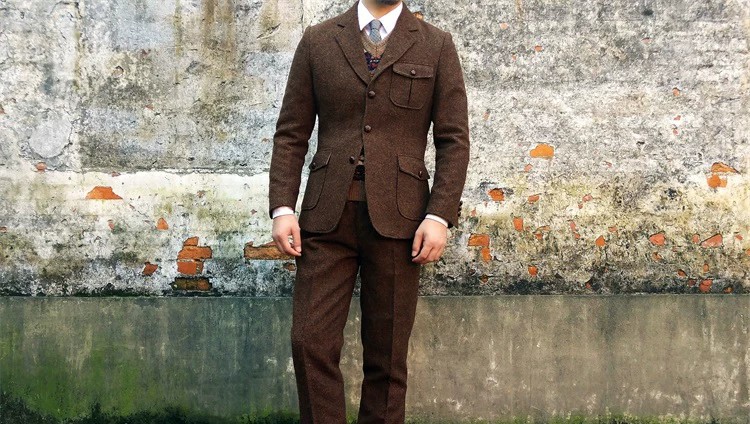
Inside the collar of every Clothweight garment is a woven label with the cloth number, the batch, and your unit within it. When a batch sells through, the cloth retires to the archive and the number is never woven again. A suit you can date, from a cloth you can trace. The label photograph on this page is placeholder until Batch 001 lands — the label gets photographed on the garment, not mocked.
No sales, no codes, no theatre. The price is the price on the first day and the last.
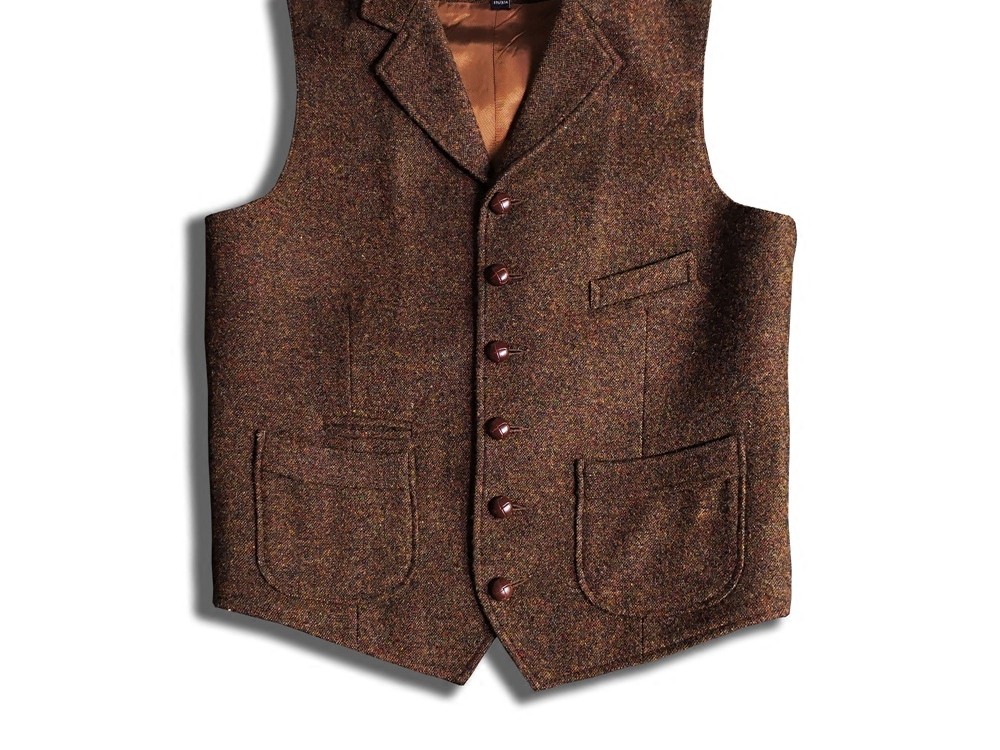
The waistcoat is priced at cost on purpose. It is the door into the library, not the profit.
If a cost line changes, the page changes. That is the whole policy.
Measured on the garment, in centimetres. Between sizes, take the larger: tweed tailors down, it does not stretch up. If the fit is wrong, the first exchange is on us.
| Size | Waist (cm) | Inseam | Thigh | Hem Width |
|---|---|---|---|---|
| 30 | 78 | 81 | 31.5 | 21 |
| 32 | 83 | 81 | 32.8 | 21.5 |
| 34 | 88 | 83 | 34.1 | 22 |
| 36 | 93 | 83 | 35.4 | 22.5 |
| 38 | 98 | 85 | 36.7 | 23 |
The questions we get by email about Cloth No. 005, answered here so the answer is public.
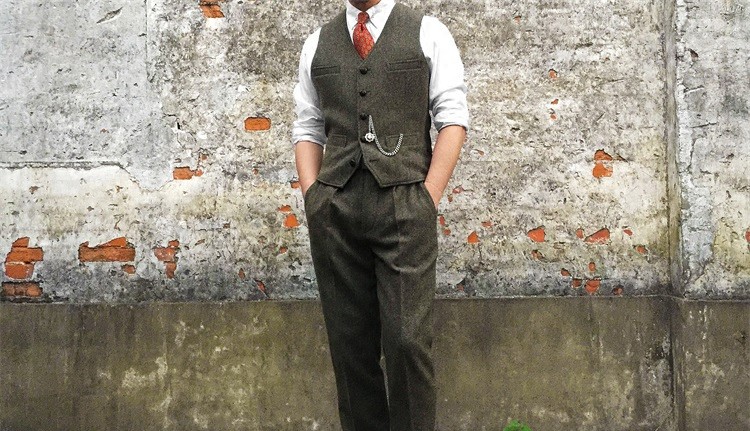
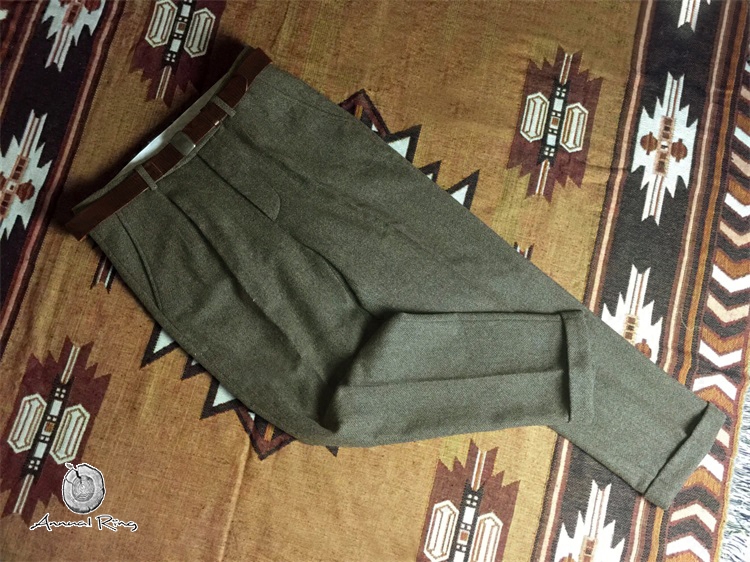
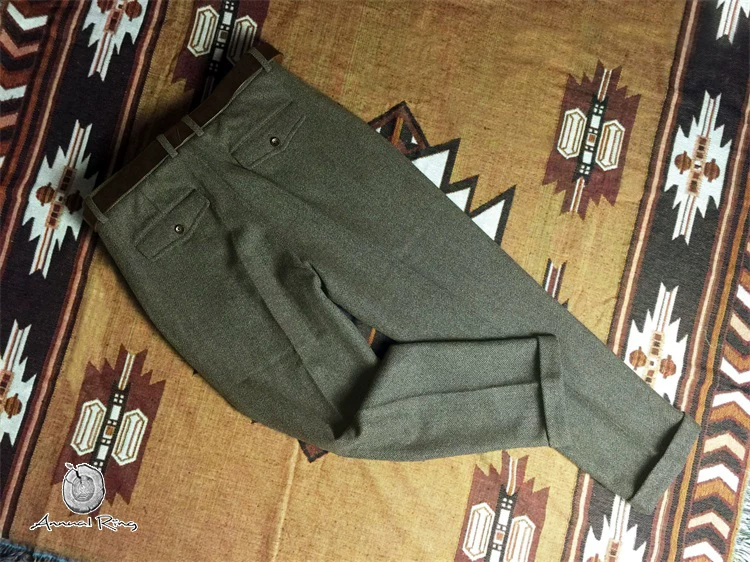
Properly high: they sit at the natural waist, which is why the double pleat hangs clean instead of pulling. The full measured size table is on this page.
A tucked-in shirt, or a fine knit. The pleat gives room through the thigh; the high waist means belts become optional.
They are cut from the same weight band, 450gsm, and were designed to be worn as separates. Pair the brown herringbone jacket with these trousers and you have a suit in spirit, if not from the same bolt.