Inside the collar of every Clothweight garment is a woven label with the cloth number, the batch, and your unit within it. When a batch sells through, the cloth retires to the archive and the number is never woven again. A suit you can date, from a cloth you can trace. The label photograph on this page is placeholder until Batch 001 lands — the label gets photographed on the garment, not mocked.
No sales, no codes, no theatre. The price is the price on the first day and the last.
The waistcoat is priced at cost on purpose. It is the door into the library, not the profit.
If a cost line changes, the page changes. That is the whole policy.
Measured on the garment, in centimetres. Between sizes, take the larger: tweed tailors down, it does not stretch up. If the fit is wrong, the first exchange is on us.
| Dimension | Measurement |
|---|---|
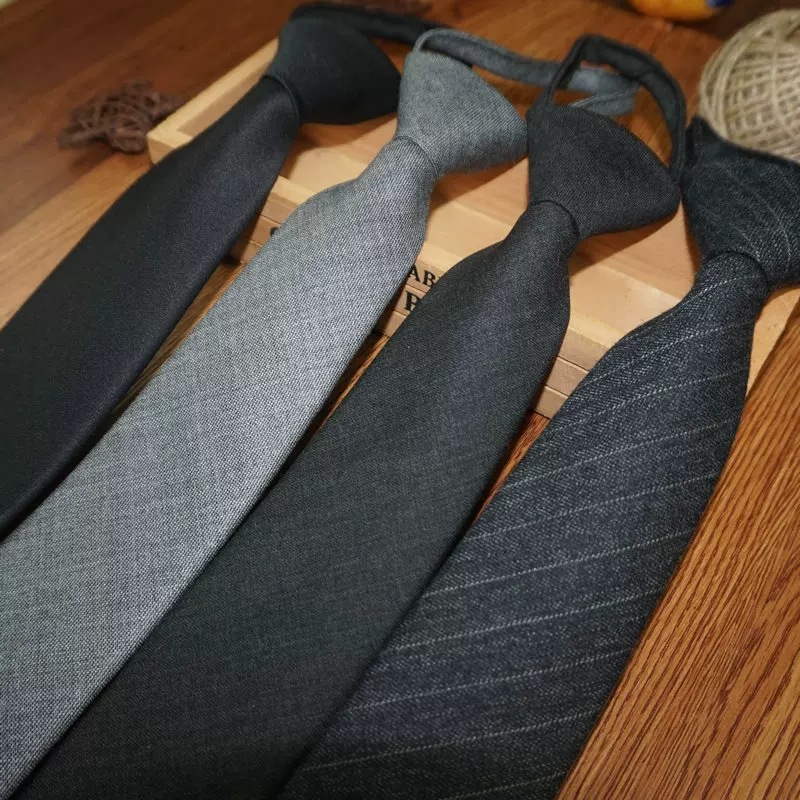
| Length | 148 cm |
| Blade Width | 8.0 cm |
| Tail Width | 3.5 cm |
The questions we get by email about Cloth No. 008, answered here so the answer is public.
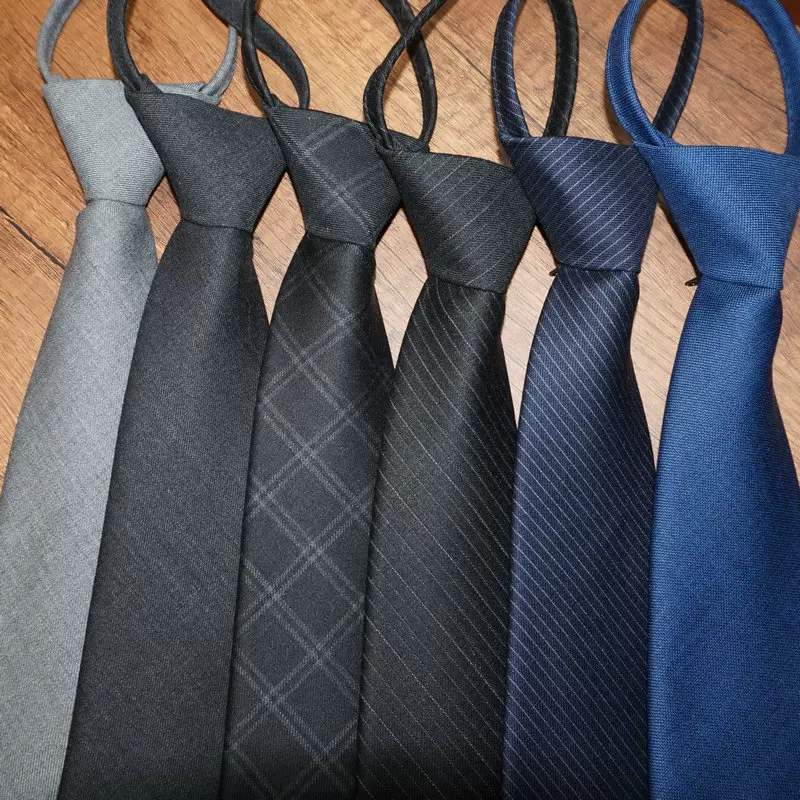
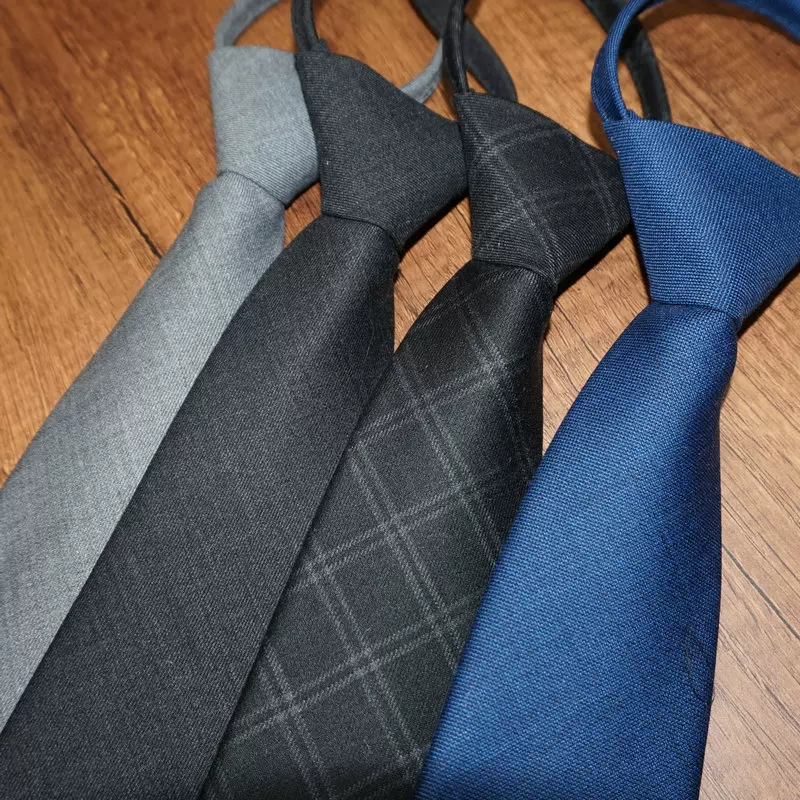
The blade end is left plain instead of finished with a contrasting tip, and the edge is rolled by hand. It is the quieter, older way to finish a tie.
Wool knits are autumn and winter wear. In the warm months, the same knot wants linen or cotton. The matte texture is the point: it kills shine under lamplight.
The blade on Cloth No. 008 is 8cm, the vintage cut. Match it to the lapel: a 8cm blade sits right on the Clothweight jackets' lapels.