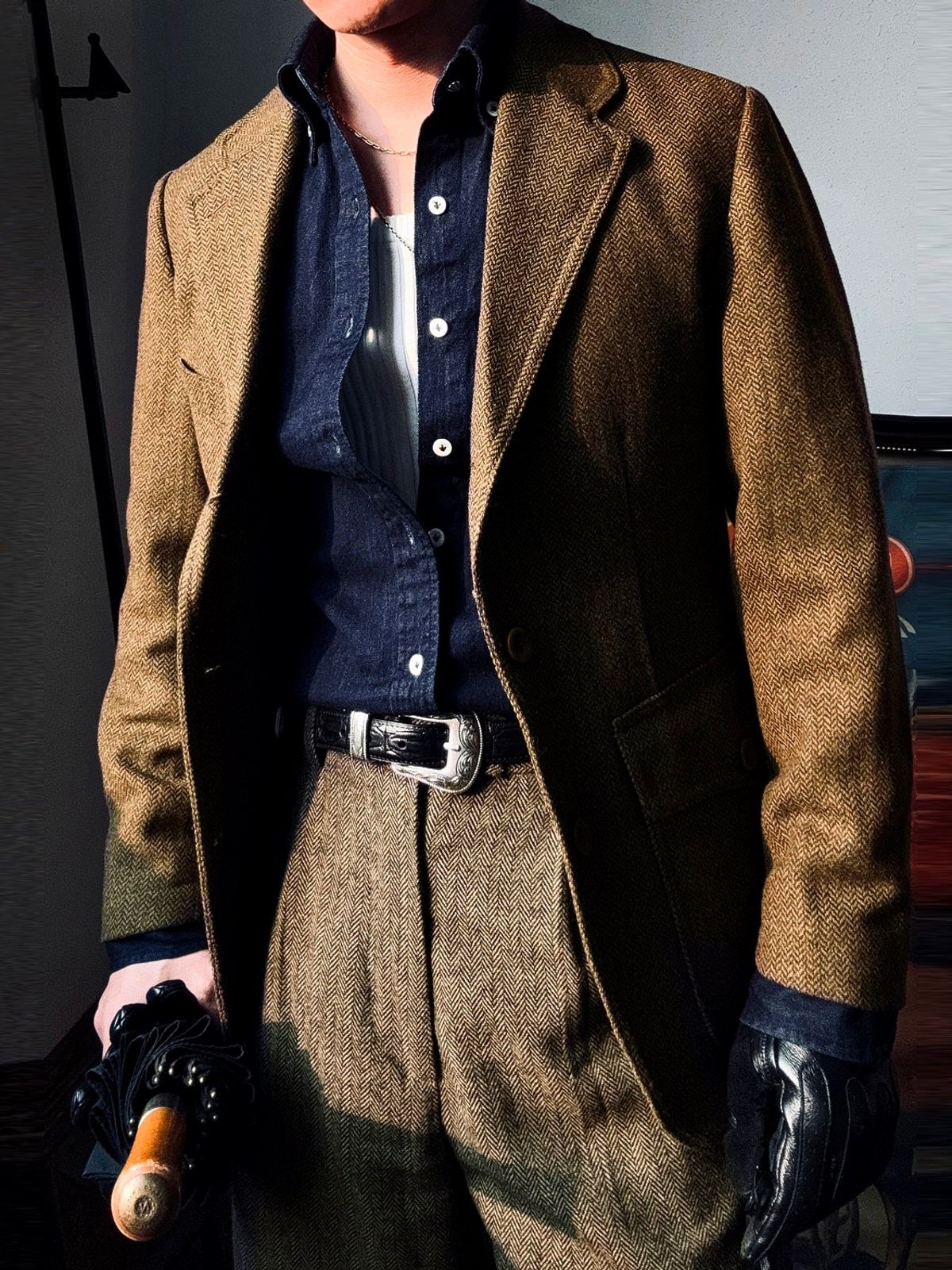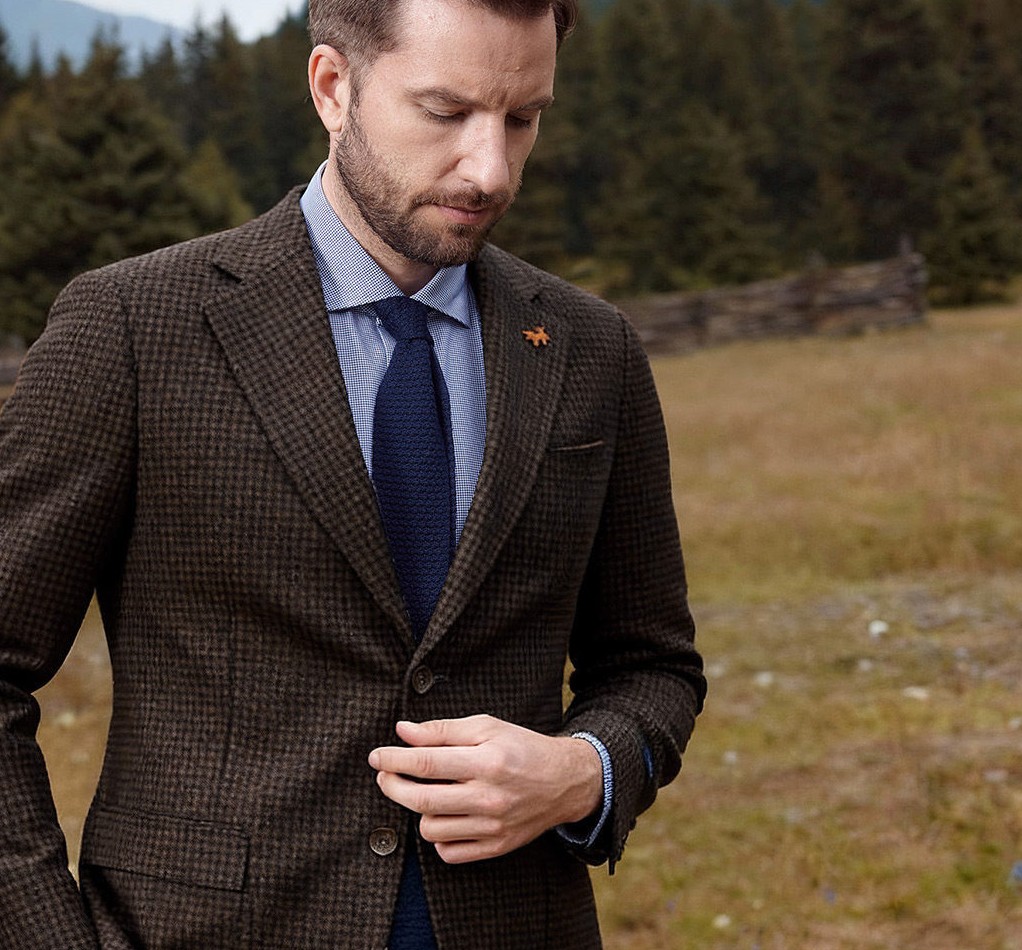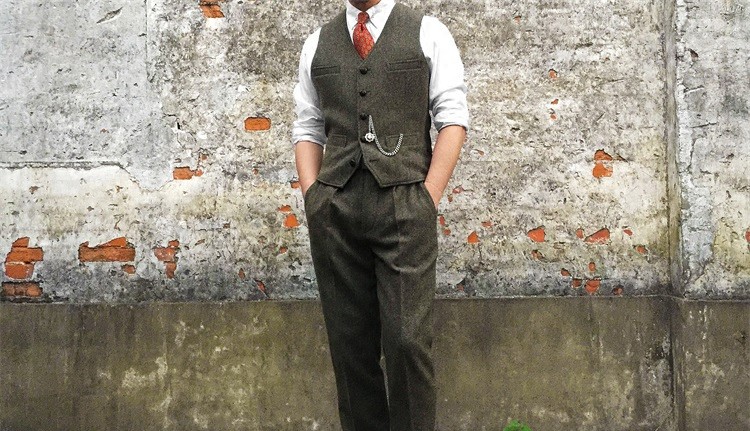
Inside the collar of every Clothweight garment is a woven label with the cloth number, the batch, and your unit within it. When a batch sells through, the cloth retires to the archive and the number is never woven again. A suit you can date, from a cloth you can trace. The label photograph on this page is placeholder until Batch 001 lands — the label gets photographed on the garment, not mocked.
No sales, no codes, no theatre. The price is the price on the first day and the last.
If a cost line changes, the page changes. That is the whole policy.
Measured on the garment, in centimetres. Between sizes, take the larger: tweed tailors down, it does not stretch up. If the fit is wrong, the first exchange is on us.
| Size | Chest | Shoulder | Jacket length | Sleeve | Waist (trouser) |
|---|---|---|---|---|---|
| 36 | 92 | 43.5 | 70 | 60 | 76 |
| 38 | 97 | 44.8 | 71.5 | 61.5 | 81 |
| 40 | 102 | 46 | 73 | 63 | 86 |
| 42 | 107 | 47.2 | 74.5 | 64.5 | 91 |
| 44 | 112 | 48.4 | 76 | 66 | 96 |
| 46 | 117 | 49.6 | 77.5 | 67.5 | 101 |
The questions we get by email about Cloth No. 002, answered here so the answer is public.
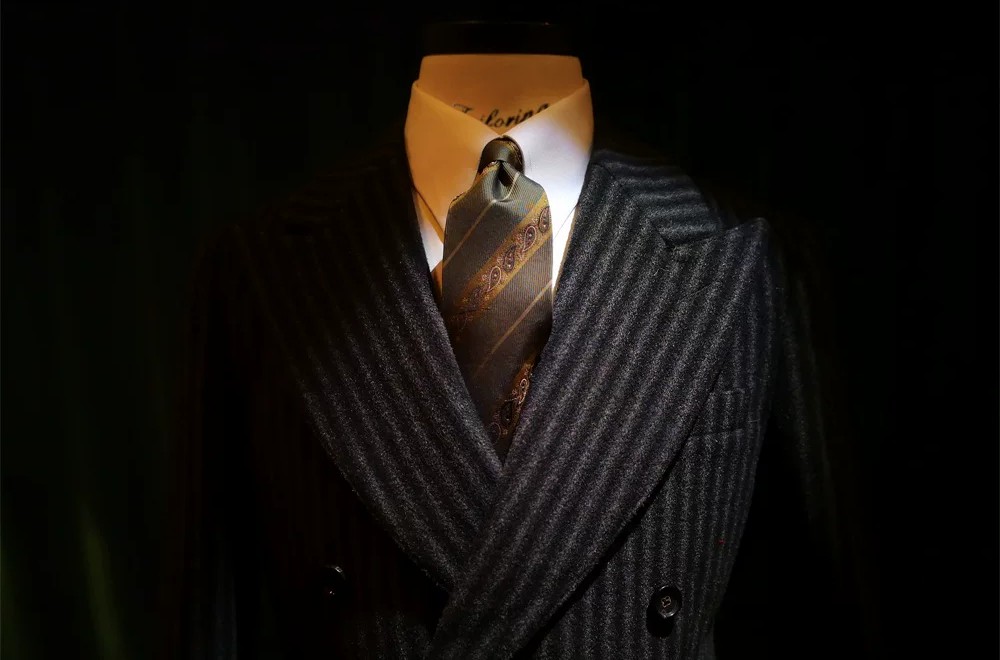
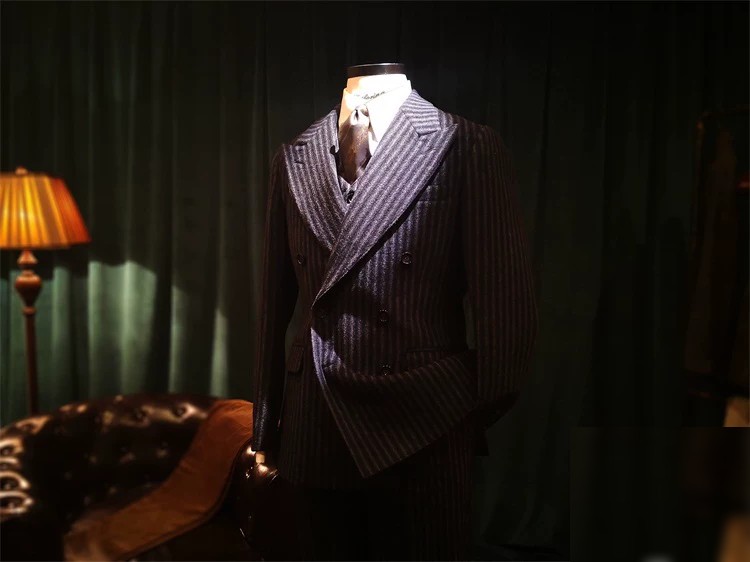
Substantial in the way a jacket should be. The heavier weave holds the double-breasted line without padding, and the charcoal stripe reads as texture rather than pattern.
Woven. The yarn is dyed before weaving, so the stripe lives in the thread. It cannot wash flat or fade at the seams.
Grey flannel trousers, denim, or the Clothweight high-waist trousers. Keep the shirt plain; the jacket does the talking.